Examining Links Between Bonus Triggers and Player Loyalty in Today's Slot Machines
Written by Eden Wolf · Nov 3, 2026
Examining Links Between Bonus Triggers and Player Loyalty in Today's Slot Machines
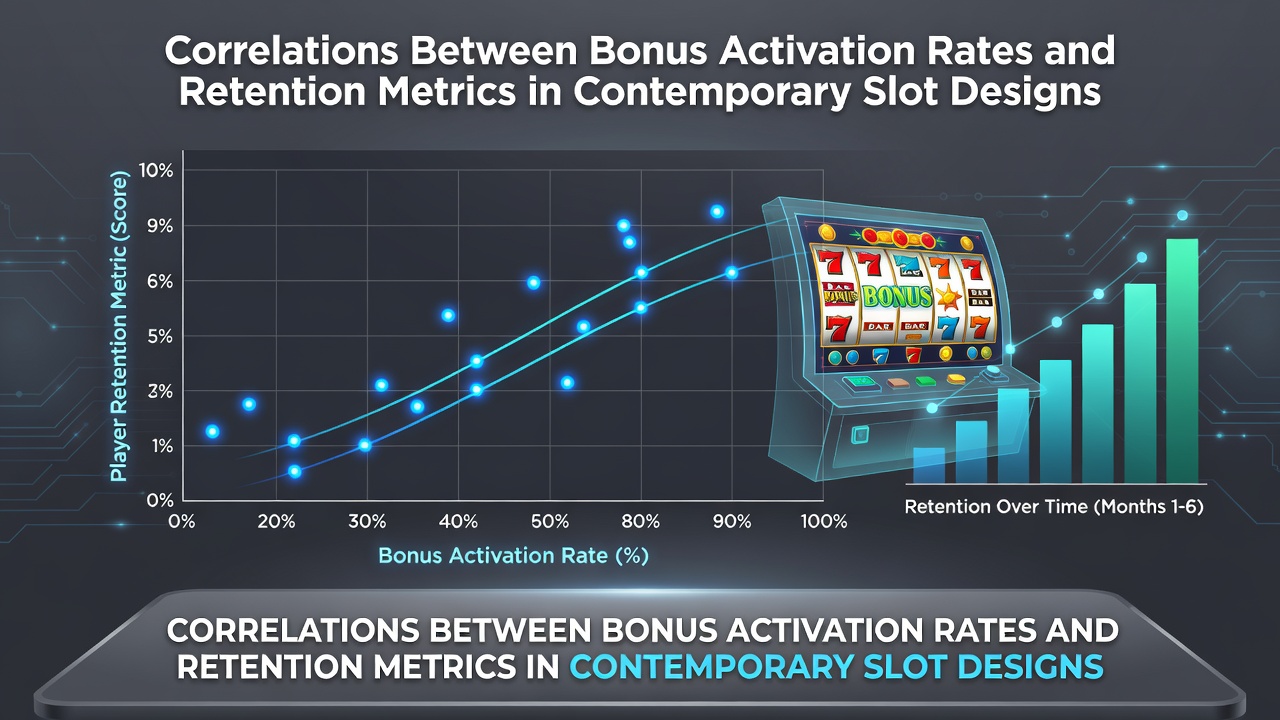
Contemporary slot designs incorporate layered bonus mechanics that researchers track against retention metrics across multiple markets, and data from industry reports reveal measurable connections between how often features activate and how long players remain engaged. Studies conducted by university gaming labs show that activation rates above certain thresholds correlate with extended session durations, while lower rates align with quicker exits in controlled test environments.
Defining Key Metrics in Slot Performance Analysis
Bonus activation rates measure the frequency with which special features such as free spins, multipliers, or pick-and-click rounds trigger during base gameplay, and retention metrics track repeat visits, average session length, and return rates over weeks or months. Analysts collect this information through aggregated platform data that gaming operators share with research institutions, and patterns emerge when these two sets of numbers are compared across thousands of player accounts. According to findings from the American Gaming Association, machines with bonus triggers occurring once every 80 to 120 spins demonstrate stronger week-over-week retention compared with those that activate less frequently.
Designers adjust reel weights, symbol distribution, and feature probability tables to hit these target activation windows, yet the relationship is not always linear. Some titles with very high activation rates experience diminishing returns when players reach feature fatigue, and data sets from European testing labs indicate that retention plateaus or declines once activation exceeds one trigger every 60 spins in certain player segments.
Regional Data Patterns and Regulatory Context
Markets in North America and parts of Asia Pacific publish quarterly summaries that allow observers to compare retention curves against bonus frequency, and these reports highlight consistent trends across different regulatory frameworks. In November 2026, updated compliance requirements in several jurisdictions are expected to standardize how operators report feature activation statistics, which should provide clearer longitudinal data for researchers studying retention. Canadian provincial gaming authorities have already begun requiring more granular disclosure on bonus hit rates, and early submissions suggest a positive correlation between moderate activation levels and sustained daily active user counts.
One study from an Australian research consortium examined over 1.2 million sessions across 45 titles and found that slots with cascading or expanding bonus elements maintained 18 percent higher 30-day retention when activation sat between 4 and 7 percent of total spins. Titles falling outside that band showed steeper drop-off curves, particularly among mobile users who typically play shorter sessions.
Design Elements That Influence the Correlation
Contemporary games layer multiple bonus types within a single title, and the interplay between base-game triggers and secondary features creates complex retention signals. Sticky wilds, respins, and mystery symbol mechanics often serve as secondary activation points that extend play after an initial bonus round ends, and platform analytics indicate these chained features can lift retention even when primary bonus rates remain moderate. Observers note that games releasing new bonus variants in staggered updates tend to refresh engagement metrics more effectively than static designs.
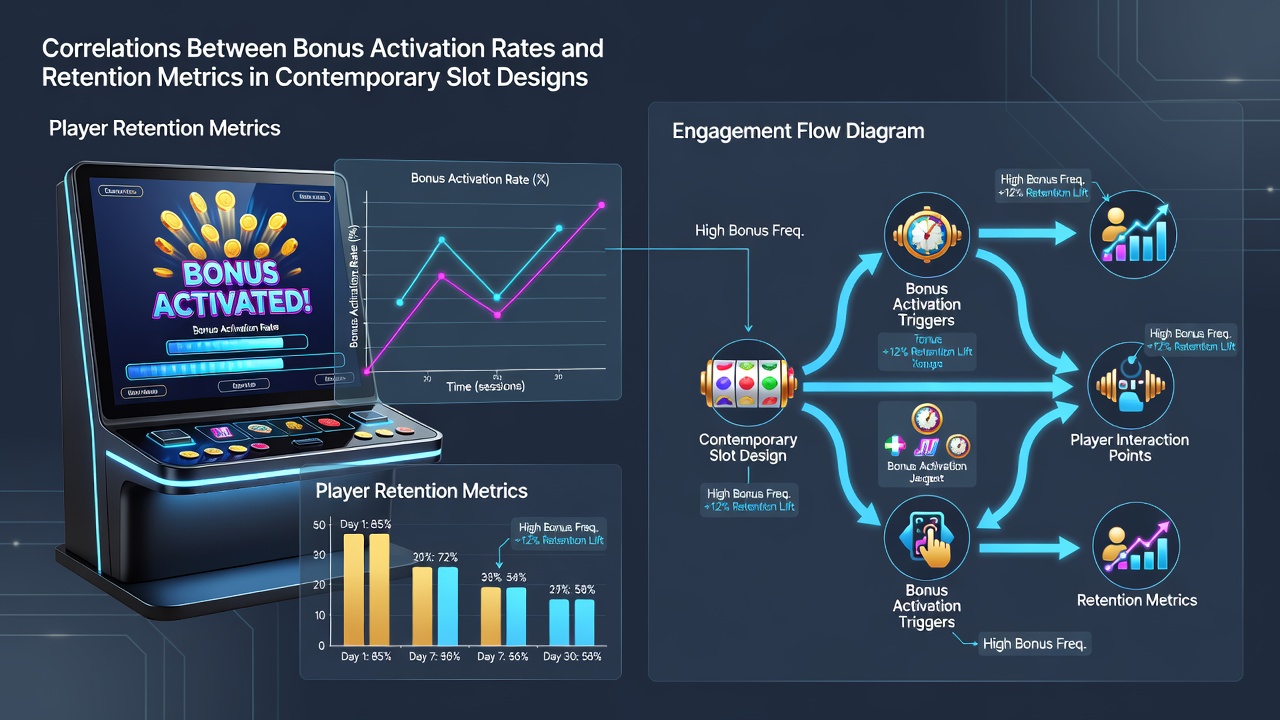
Volatility settings also interact with activation rates, and higher-volatility titles require lower bonus frequency to achieve similar retention outcomes because each trigger delivers larger perceived value. Lower-volatility designs benefit from slightly more frequent activations to keep smaller rewards flowing, and testing data from independent labs confirm these differences hold across both desktop and mobile play environments.
Player Segmentation and Retention Outcomes
Segmentation studies divide players by deposit behavior, session length, and preferred device, and correlations between bonus activation and retention shift noticeably across these groups. High-value players often show stronger retention when bonus features include skill elements or choice mechanics, whereas casual players respond more to frequent small triggers regardless of choice. Researchers tracking cohorts over six-month periods report that activation rate adjustments tailored to segment preferences produce measurable lifts in repeat visit rates without increasing overall bonus payout percentages.
Platform operators have begun implementing dynamic probability adjustments that respond to real-time retention signals, and early deployments in controlled markets demonstrate that modest increases in activation for underperforming titles can recover 12 to 15 percent of at-risk players within a single week. These adjustments remain within regulatory limits and are monitored through established reporting channels.
Conclusion
Available data sets establish clear statistical relationships between bonus activation rates and multiple retention indicators in current slot designs, and ongoing regulatory changes scheduled for late 2026 are likely to expand the volume of comparable information available for analysis. Operators and designers continue to refine feature frequency to align with observed retention curves, while independent research groups track outcomes across diverse markets and player segments. The patterns documented so far provide a factual foundation for understanding how bonus mechanics contribute to sustained engagement without relying on subjective assessments.